Is the Seine River Safe to Swim In? What Testing and the Cleanup Actually Show
The Seine now has three supervised public swimming sites, daily bacteria testing, and a finished billion-euro cleanup behind it. Here is what the official data says, what the 2024 Olympics illness reports actually established, and what it all means for the cruise you are planning.
Short answer
Yes, in summer, at three supervised sites only: Bras Marie, Bras de Grenelle and Bercy, open July 4 to August 30, 2026. Daily E. coli and enterococci testing by Eau de Paris decides each day. Swimming anywhere else in the Seine remains prohibited, and the river still closes after heavy rain or pollution.
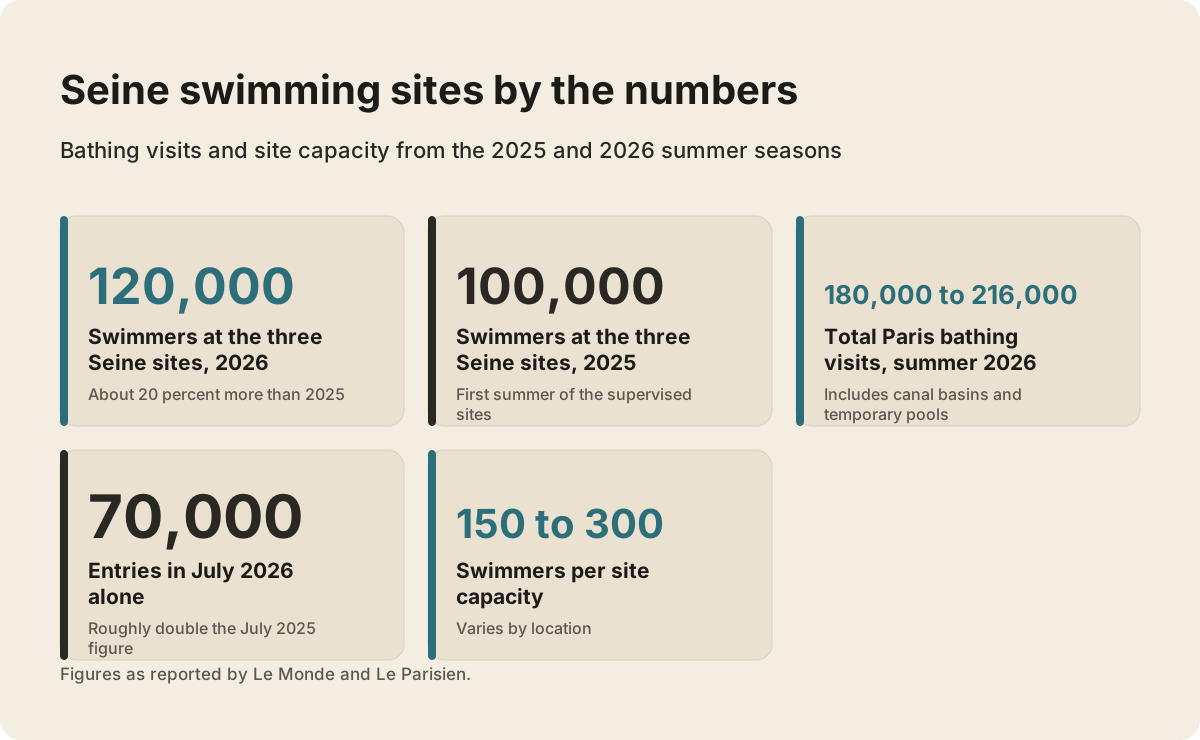
The Seine has spent most of the last century as a river Parisians admired from a bridge and never touched. That changed in 2025, when the city opened three supervised public swimming sites in the river itself, and changed again in 2026, when those sites came back for a second summer and drew roughly 120,000 swimmers, about 20 percent more than the year before, per Le Monde. The question travelers now ask is no longer rhetorical. People genuinely want to know whether the water is safe, and the honest answer has more moving parts than a yes or a no.
This guide lays out what the official record shows: where swimming is legal, how the water is tested and by whom, what the Austerlitz storage basin actually did, what the 2024 Olympics athlete-illness reports did and did not establish, and how the same water-level mechanics that govern swimming also occasionally reroute or suspend the sightseeing cruises this site covers. Everything here is drawn from official sources, including Cruise in Seine River's verified compliance research and the city's own published data.
Is the Seine River safe to swim in?
Yes, conditionally: swimming is safe at the three supervised public sites, Bras Marie, Bras de Grenelle and Bercy, but only during the summer season, only when the daily water-quality tests pass, and only within the marked swimming zones. Anywhere else in the Seine, swimming is simply not allowed, and the city enforces that rule.
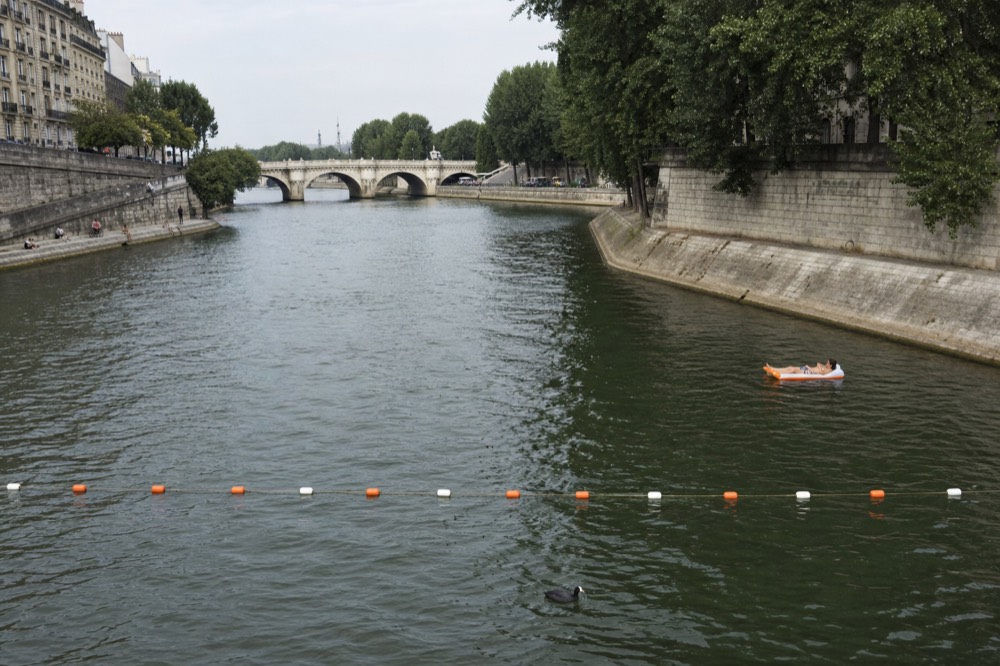
The three sites opened for their second consecutive summer in 2026, operating daily from July 4 to August 30, subject to daily water-quality testing, moderate currents and favorable weather. Access is free and requires no reservation, though each site has capacity limits, generally in the range of 150 to 300 swimmers depending on location, and hours vary by site. This is a real municipal program with lifeguards, marked zones and published bacteria data, not a tolerated informal swim spot. If you are stitching together a budget day along the river, our guide to free things to do in Paris covers the verified free walking tour and other no-cost stops nearby.
What makes the answer conditional is the flag system. Each morning, accredited laboratory testing by Eau de Paris, overseen by the regional health agency (ARS), measures the water, and the sites fly green, yellow or red flags accordingly. A green flag means open and safe. A red flag means closed, and closures genuinely happen: heavy rain spikes bacteria levels, and in late July 2026 the sites at Bras Marie and Bercy closed briefly after an illegal upstream dumping of roughly 3,000 liters of heating oil. Grenelle also closed August 4 to 8 for European open-water swimming competitions. None of this is alarming; it is a normal, monitored urban swimming operation, and the monitoring is the point.
| Site | Location | 2026 season | Notes |
|---|---|---|---|
| Bras Marie | Near Pont Louis-Philippe, 4th arrondissement | July 4 to August 30, 2026 | Central, most photographed site |
| Bras de Grenelle | 15th arrondissement, near the Eiffel Tower | July 4 to August 30, 2026 | Closed Aug 4-8 for open-water competitions |
| Bercy | 12th arrondissement | July 4 to August 30, 2026 | Later hours, up to 9 p.m. |
The distinction that matters for visitors: the swimming sites sit in calm side channels, the bras, not the main navigation channel where the cruise boats run. Swimmers and boats are physically separated by design, which is also why the cruise schedules and the swim season barely interact.
Where can you legally swim in the Seine?
Only at those three supervised sites during the summer season, plus the city's other managed bathing areas such as the Bassin de la Villette canals, which are separate waters. Swimming in the main Seine channel, off bridges, or from the quays is prohibited year-round, both for health reasons and because of active boat traffic.
The prohibition is not bureaucratic caution. The main channel carries sightseeing boats, dinner cruises, hop-on-hop-off shuttles and freight traffic, and the navigation rules for the river through Paris, set by VNF, the public waterway manager, are built around keeping vessels and people apart. Passenger boats must keep continuous VHF radio watch, follow an alternating one-way traffic system between Pont de Sully and Pont au Change, and are prohibited from cutting across the channel to reach their stops. None of that coexists with people in the water.
The broader summer bathing picture is bigger than the Seine itself. Including the canal basins and temporary pools, Paris recorded 180,000 to 216,000 bathing visits across the summer of 2026, with the three Seine sites alone accounting for roughly 120,000, up from about 100,000 in 2025. Le Parisien reported around 70,000 entries in July 2026 alone, roughly double the July 2025 figure. The demand is real, and the city has responded by keeping the program running.
If your trip falls outside the July-to-August window, the honest answer is that river swimming is off the table and the next best way to experience the water is from a boat. The sightseeing category has several options, and the comparison below pulls the three most relevant for a first visit.
Is the Seine still safe to swim in?
Yes, at the supervised sites, and the evidence base is stronger in 2026 than it was in 2025: daily accredited testing, an independent media-led analysis with good results, and a full second season completed. But the river is still a rain-reactive urban waterway, so the safety is daily and conditional, not a permanent all-clear for the whole river.
The testing regime is the core of the answer. Eau de Paris, an accredited laboratory, samples the sites daily for E. coli and intestinal enterococci, the two standard indicators of fecal contamination, with the regional health agency overseeing the process. The thresholds follow EU and ARS recommendations: generally 900 or fewer units of E. coli per 100 milliliters and 330 or fewer units of enterococci per 100 milliliters for a green flag. Results are published on paris.fr, so the data is public, not a claim.
The 2026 season started well. Pre-opening testing from early June showed suitable water quality on every day except two, and independent testing organized by Le Figaro with Fluidion on July 9, 2026 at Bras Marie reported good microbiological results with no particular health risk. That is a meaningful data point precisely because it was not the city grading its own homework.
| Indicator | Green-flag threshold | Who tests | Frequency |
|---|---|---|---|
| E. coli | ≤ 900 units per 100 mL | Eau de Paris (accredited lab) | Daily in season |
| Intestinal enterococci | ≤ 330 units per 100 mL | Eau de Paris, overseen by ARS | Daily in season |
The caveat is rain. Heavy rainfall overwhelms the combined sewer system and triggers overflows, which is the historical reason the Seine was unswimmable in the first place. The 2025 season saw multiple rain-related closures in July before improving in August. The 2026 season's main closure was pollution, not rain, but the mechanism is the same: conditions change, the flags change, and the daily test is what keeps the sites honest. Check the flag before you get in, every time.
If your interest in the water is more about being on it than in it, the quietest ride on the river is the fully electric sightseeing cruise, which runs on the same stretch of cleaned-up water. The live listing has the current price and rating.
What made the Seine so dirty?
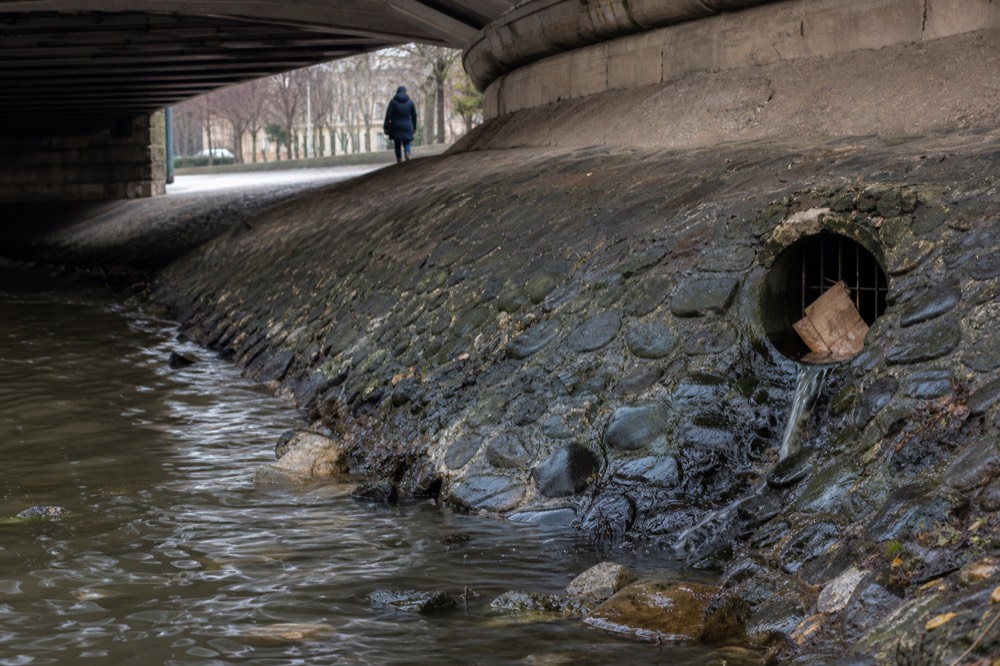
The Seine's historical pollution came from combined sewer overflows, upstream industrial and agricultural runoff, and a century of untreated wastewater, all funneled through a city built to drain everything into one river. Heavy rain was the trigger: when the system overloaded, untreated sewage flushed directly into the Seine, which is why the river was legally closed to swimming for roughly a century.
Paris operates a combined sewer system, meaning stormwater and wastewater share the same pipes. In dry weather that works; the flow reaches treatment plants. In heavy rain, the volume exceeds capacity, and the excess, a mix of rain and raw sewage, discharges into the Seine. Major overflow events historically happened on the order of 15 times a year. Add upstream inputs and the legacy of pre-treatment-era discharges, and you get a river that was at once iconic and, for most of the 20th century, genuinely foul. Our companion piece, what made the Seine so dirty, walks through that history in detail.
The fix took more than good intentions. The centerpiece is the Austerlitz underground storage basin: a cavern 50 meters across and more than 30 meters deep, holding 50,000 cubic meters, the equivalent of about 20 Olympic pools. Completed and now operational, it captures combined sewer overflow during storms and holds it for later treatment instead of letting it pour into the river. Officials report major overflow events cut from roughly 15 per year to about 2. The basin anchors more than 1.4 billion euros of investment, including treatment plant upgrades and private connection fixes, timed for the 2024 Olympics and enabling public swimming from 2025.
There is a cruise angle worth naming, because it explains something visitors notice. The same sewer-overhaul program that made swimming possible is part of why the river through central Paris looks and smells better than older guidebooks suggest, and why the evening cruise experience, illuminated bridges and all, is a genuinely pleasant one. If you are weighing a night sailing against a daytime loop, our comparison of night versus day Seine cruises covers the trade-offs.
Did any athlete get sick after swimming in the Seine River?
Yes, some athletes reported gastrointestinal illness after 2024 Olympics triathlon and marathon-swimming events in the Seine, but no confirmed link to Seine water quality was ever established: event-day tests met the required limits, other factors like exertion and heat were cited, and a 2026 retrospective found no clear cause. The illness reports are real; the causal claim is not.
Contemporary 2024 reporting noted that triathletes and open-water swimmers from several national teams, including Belgium, Switzerland and Germany, experienced gastrointestinal issues after racing. Belgium withdrew its triathlon team. Those facts are not in dispute. What is in dispute, and what honest coverage has to hold onto, is causation: water tests on the competition days met the event's limits, organizers maintained the water was within standards, and no confirmed E. coli case was tied to the river across all the reported illnesses.
The 2026 retrospective view, including a CNN piece from July 2026, found no clear cause was ever established while noting the positive public legacy, namely the swimming sites that opened because of the Olympic cleanup. One telling follow-up: Paris has not hosted triathlon events in 2025 or 2026, partly due to ongoing water-quality variability concerns. That is the fair, full picture. Athletes got sick; the river was never proven to be the reason; the city still treats its water quality as variable enough to test daily and cancel when needed.
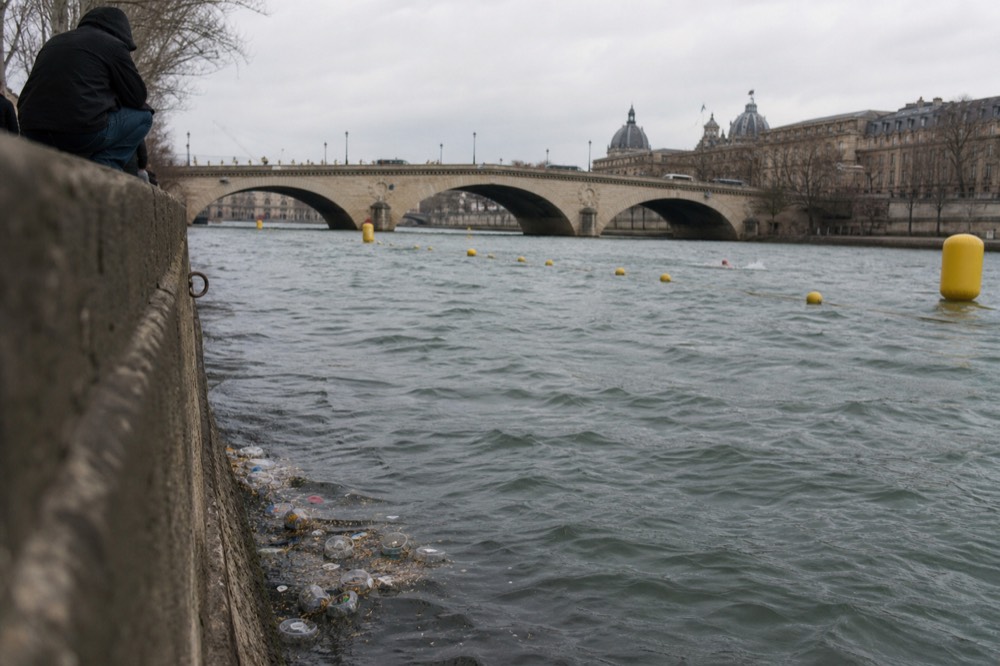
For a traveler, the practical read is this: the Olympics episode is a reason to respect the daily flag system, not a reason to fear the river. The same variability that complicated the Games is exactly what the morning testing at the swim sites is designed to catch.
Is the Seine River biologically dead?
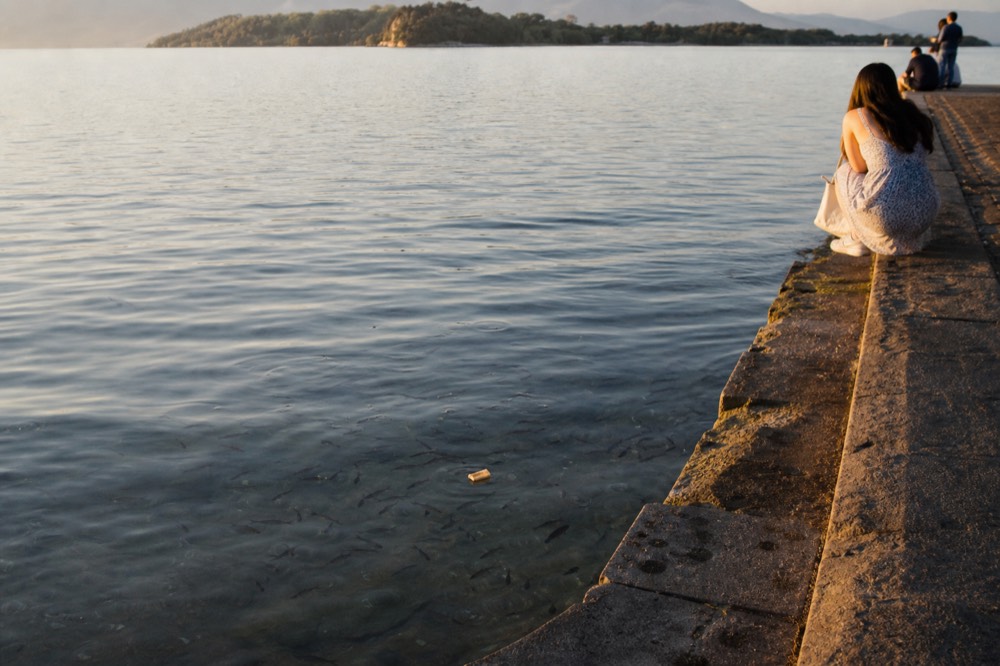
No. The Seine supports fish populations and other aquatic life, and its ecological condition has improved alongside the cleanup, though it remains a working urban river with real environmental pressures. The dramatic phrase "biologically dead" belongs to the river's worst decades, not to its current state.
The historical reputation is not invented. Mid-20th-century pollution episodes were severe enough that fish kills were a recurring event, and the river's biodiversity collapsed to a fraction of its historical species count. The recovery since, driven by wastewater treatment upgrades beginning in the later 20th century and intensified by the recent basin-and-treatment program, has been steady rather than miraculous. What the official record supports is direction and mechanism: fewer overflow events, better-treated effluent, and a river clean enough that a public health authority will let 120,000 people swim in it under supervision, which nobody would have proposed in the river's worst decades.
"Biologically dead" also misdescribes how urban rivers work. The Seine through Paris is a managed ecosystem: locked, dredged, trafficked by passenger boats and bordered by stone quays. It is not a wilderness, and the swim sites' daily testing exists precisely because a city river's water quality moves with weather. The honest framing is a recovering, monitored waterway, not a dead one and not a pristine one.
Being on the water is the easiest way to see the river's current state for yourself. The classic option is the one-hour round trip from the foot of the Eiffel Tower, from $21 per person, rated 4.4/5 with close to 90,000 reviews, passing Notre-Dame, the Louvre and the Musée d'Orsay. See our guide to Eiffel Tower departures for boarding details.
Can high water cancel a Seine cruise?
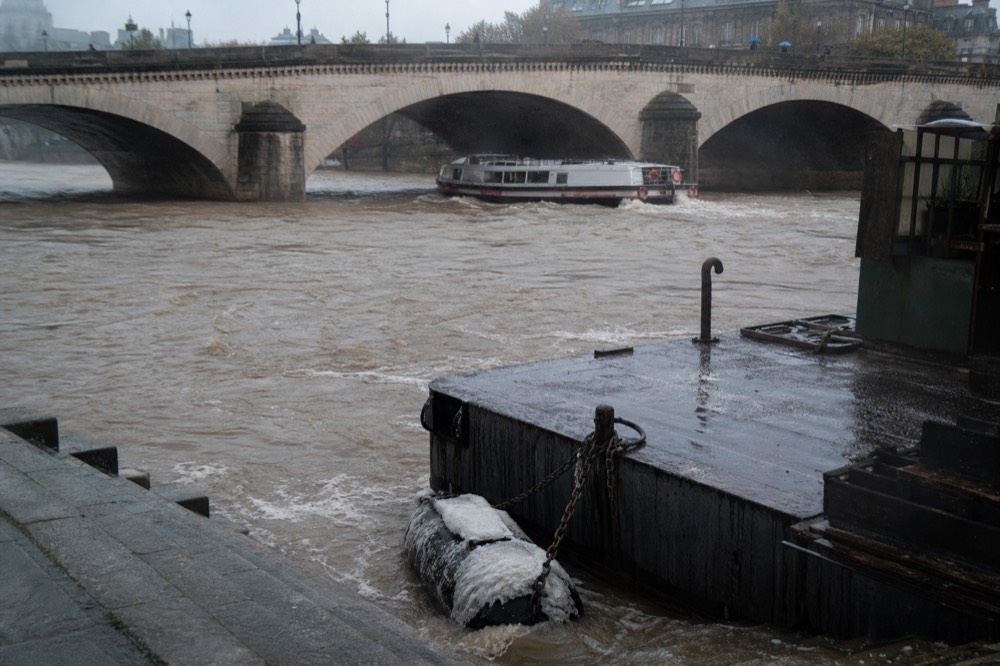
Yes. Navigation on the Seine through Paris halts outright once the river reaches 4.30 meters at the Austerlitz gauge, per the City of Paris, and below that threshold operators face progressive restrictions: closed upper decks, shortened routes and smaller boats. This is a real, recurring operational fact, most recently during the 2024 floods, not a rare edge case.
The mechanics are official and public. The City of Paris states plainly that river navigation stops at 4.30 meters at Austerlitz, with riverside paths closing in stages between 3.20 and 6.10 meters. Normal water level at the Austerlitz gauge sits around 0.82 meters, and levels are tracked publicly at Vigicrues, the official flood-monitoring service the operators themselves watch. The regulator, VNF, explains the current navigation rules on its Seine navigation page, including the updated rules effective October 14, 2025.
The precedent is recent and documented. In April 2024 the Seine exceeded 4.30 meters and navigation was fully suspended, with operators reporting significant losses. During storm Kirk in October 2024, with water at 2.72 to 3.45 meters, VNF confirmed partial restrictions in central channel sections, and named operators described their standing playbook: closing upper decks to avoid bridge-strike risk, shortening routes by turning back early, and monitoring the gauge hour by hour. A 2018 flood kept several major operators off the water for weeks. The pattern repeats roughly once a decade at full force, with lesser disruptions more often.
| Austerlitz gauge level | What happens |
|---|---|
| Around 0.82 m | Normal level, full operations |
| 2.7 to 3.5 m | Partial restrictions, shortened routes, upper decks may close |
| 4.30 m | All river navigation halted (City of Paris threshold) |
| 3.20 to 6.10 m | Riverside paths close in stages |
For 2025 and 2026 specifically, the record is reassuring: no flood-driven passenger-cruise suspensions beyond the documented 2024 events, and early September 2026 levels at Paris-Austerlitz sat in the normal range at about 0.95 meters. If you are booking months ahead, the practical advice is simply to know that a winter or early-spring sailing carries slightly more weather risk than a summer one, and that operators reroute before they cancel. Our best time for a Seine cruise guide covers seasonal timing in full.
The most historic brand on the river, Compagnie des Bateaux Mouches, has been sailing since 1949 and runs a one-hour sightseeing loop from Port de la Conférence near Pont de l'Alma, from $20, rated 4.4/5 with 5,898 reviews. Check availability on the live listing if a classic boat is your pick.
How the cleanup changed the river for everyone
The cleanup's clearest effects are measurable: major sewer-overflow events down from roughly 15 to about 2 per year, three supervised swim sites operating a second season, and roughly 120,000 swimmers in 2026, all backed by more than 1.4 billion euros in investment. For cruise passengers, the change shows up as a cleaner, better-managed river with a modernized fleet.
The investment did not stop at the basin. Treatment plant upgrades, fixes to private sewer connections and the daily monitoring regime all sit behind the swimming program, and the Austerlitz basin itself anchors a wider program with additional phases noted for 2028 to 2029. The scale explains why the transformation took a decade of planning and an Olympic deadline to land: you cannot make a combined-sewer city swimmable with a single project.
The fleet is changing too, which matters if you care about the river's future. Vedettes de Paris is mid-electrification, with its fourth boat converted by September 2025 and a target of roughly 80 percent of its fleet electric, at a reported cost of about 1.8 million euros per boat. Bateaux Mouches is retrofitting two of its largest boats to hybrid propulsion and, under a March 2025 agreement with HAROPA Port, has committed to a clean-engine boat by the end of 2026 and full fleet conversion by 2033. Quieter, cleaner boats on a cleaner river is the direction of travel, and it is visible from the deck.
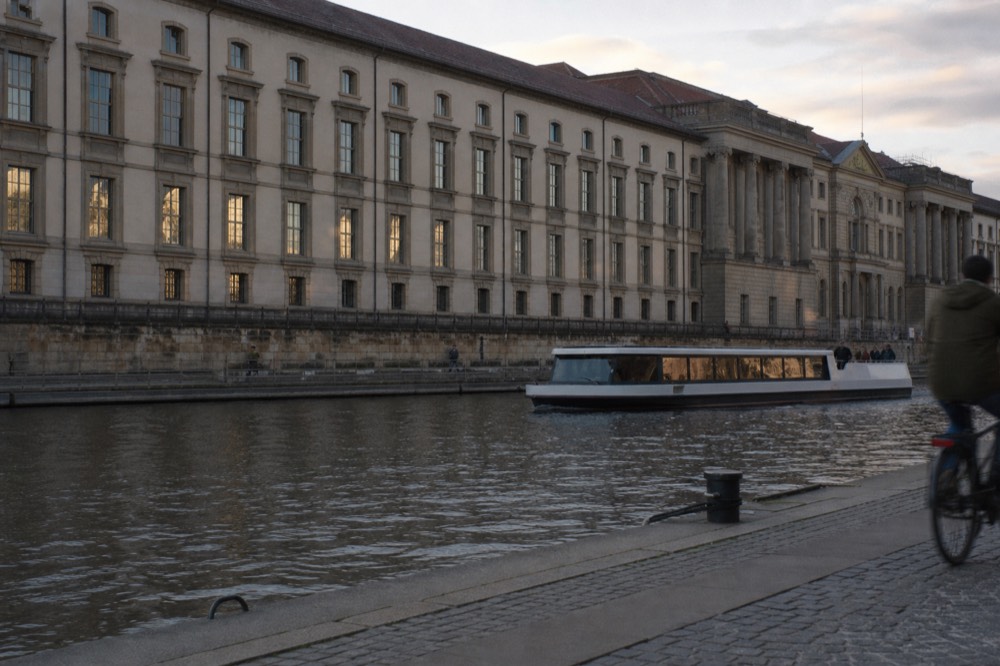
The best way to experience that shift directly is the electric guided cruise from Vedettes de Paris, the only fully electric and live-guided sightseeing product on the river, departing near the Eiffel Tower on a silent boat with a guide in English or French. The live listing has the current price, and the rating sits around 4.0 with 1,937 reviews.
For travelers, the synthesis is simple. Swim only at the supervised sites in season, check the flag, and treat the rest of the river as something to view from a boat rather than jump into. The river's story has genuinely turned, and the same infrastructure that lets 120,000 people swim in it is part of why an evening loop past the illuminated bridges is one of Paris's most reliable experiences. If you are still weighing whether the whole outing is worth it, our piece on whether doing a Seine cruise is worth it walks through the honest verdict.
The short answers: swimming is legal only at the three supervised sites in summer, the water is tested daily and the 2026 data was good, the Olympics illness reports never confirmed a link to the river, the Seine is not biologically dead, and high water above 4.30 meters at Austerlitz can halt cruises. Each question below gets the fuller answer.
Common questions about swimming in the Seine
Is the Seine River safe to swim in?
At the three supervised public sites, Bras Marie, Bras de Grenelle and Bercy, yes, during the summer season and when the daily tests pass. Elsewhere in the river, swimming is prohibited year-round.
Is the Seine still safe to swim in?
Yes, conditionally. The sites ran a full second season in 2026 with daily E. coli and enterococci testing, and independent testing in July 2026 found good microbiological results. Closures still happen after heavy rain or pollution, so check the daily flag.
Did any athlete get sick after swimming in the Seine River?
Some 2024 Olympics triathletes and open-water swimmers reported gastrointestinal illness, but no confirmed link to Seine water quality was established, and a 2026 retrospective found no clear cause. Event-day tests had met the required limits.
Is the Seine River biologically dead?
No. The river supports aquatic life and has recovered substantially from its worst 20th-century decades, though it remains a managed urban waterway with ongoing monitoring.
Can a Seine cruise be cancelled by high water?
Yes. Navigation halts once the Seine reaches 4.30 meters at the Austerlitz gauge, and below that operators shorten routes or close upper decks. The last full suspension was April 2024; 2025 and 2026 saw no flood-driven cruise suspensions.
When can you swim in the Seine in Paris?
The supervised sites operate daily in summer only: in 2026 they ran from July 4 to August 30. Outside that window, river swimming is not available.