What made the Seine so dirty?
The Seine's dirtiness came mostly from Paris's combined sewers overflowing in heavy rain. Here is the history, the fix, and what the water is like now.
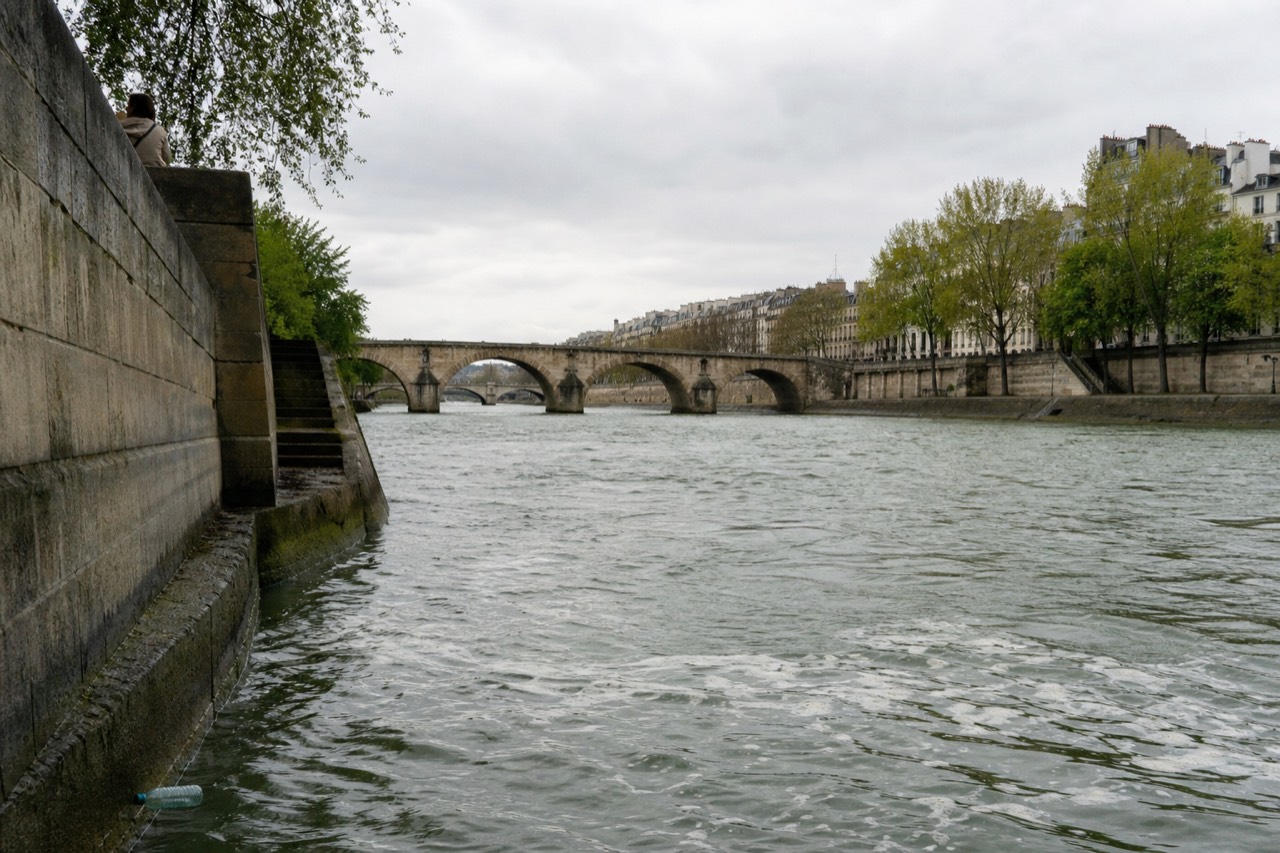
What made the Seine so dirty?
The Seine was made dirty mainly by Paris's combined sewer system: one network of pipes carries both sewage and rainwater, and in heavy rain the treatment plants cannot take the volume, so the surplus, a mix of stormwater and untreated wastewater, overflows directly into the river. That mechanism, repeated across roughly a century and a half of urban growth, is the honest technical answer. It was never primarily about tourists throwing bottles off a bridge, and it was never a single catastrophic event. It was plumbing, at the scale of a city of several million people, doing exactly what it was designed to do in the 19th century and then being asked to serve a metropolis it was never sized for.
The system dates to the Haussmann-era rebuild of Paris, when engineer Eugène Belgrand built the double-network sewer galleries that still run under the city. In dry weather the combined flow reaches a treatment plant downstream. In sustained heavy rain, the flow would overwhelm the plant, and the engineering answer of the day was to let the excess spill into the Seine rather than back up into streets and basements. Every big storm therefore flushed a pulse of diluted but genuinely untreated wastewater into the river, and those pulses landed on top of each other faster than the river could recover.
Two other pressures compounded it. Industry along the upper Seine and its tributaries added its own discharges for decades, and upstream agriculture contributed nutrient and bacterial runoff that the river carried into the city. But the load that kept the Paris stretch of the Seine unswimmable, and that made the water visibly murky after storms, was overwhelmingly the urban combined-sewer overflow. Bacteria levels in the Seine, particularly E. coli and intestinal enterococci, spike precisely after rain, which is the fingerprint of sewer overflow rather than of any other source.
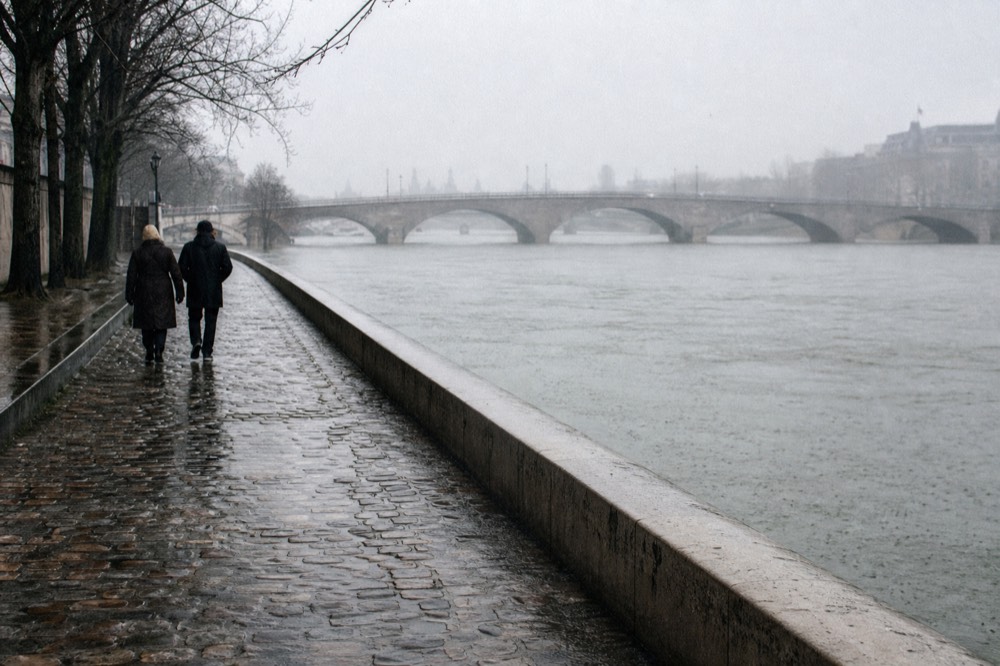
The consequence was simple and long-lasting: swimming in the Seine was banned in Paris for over a century, a prohibition that stood from long before the modern era until the supervised sites opened. The river was not "dead" in the way popular retellings sometimes suggest, fish returned in meaningful numbers as treatment improved in the late 20th century, but the water was reliably too contaminated for human contact, especially within days of rain. That is the state the city inherited into recent decades, and the state it decided to fix.
If reading about the river's recovery makes you want to be on it rather than in it, the lunch, dinner and sightseeing options below are a good place to start.
How did Paris's sewers make the river dirty?
A combined sewer system carries sewage and rainwater in the same pipe, which works in dry weather and fails in storms: once rainfall exceeds what the network and treatment plant can process, the excess has to go somewhere, and in Paris that somewhere was the Seine. The outfall points were built into the system on purpose. They are not accidents or leaks; they are engineered relief valves, and for more than a century they did exactly what they were designed to do.
The arithmetic is unforgiving. A single hectare of dense Paris pavement generates enormous runoff in a downpour, and the combined flow can reach many times the dry-weather volume in hours. No treatment plant can absorb that peak. The choice in the 19th century was between flooding the city, which happened catastrophically before the sewers existed, and discharging the diluted mix to the river. Paris chose the river, as nearly every combined-sewer city of that era did.
| Source of contamination | What it actually was | When it mattered most |
|---|---|---|
| Combined sewer overflow | Stormwater mixed with untreated wastewater, released through engineered outfalls when the network exceeded capacity | During and after heavy rain |
| Industrial discharge | Effluent from plants along the Seine and its tributaries | Mostly 19th century through late 20th century |
| Agricultural runoff | Nutrients and bacteria washing in from upstream farmland | Ongoing, worst after spring rain |
| Storm-driven resuspension | Historic contaminated sediment stirred up by high water | During floods |
The rain signature matters because it explains the river's behaviour in a way people still find counterintuitive. On a dry summer day, bacterial levels in the Paris Seine could test reasonably well. Two days of sustained rain, and they would jump by orders of magnitude. This is why the swimming sites that opened in 2025 and 2026 close after storms: the closure rule follows the physics of the sewer network, not a fixed calendar. The city publishes the daily results and flag colours on its official swimming information page, and the pattern is visible in the data.
The flag colour itself comes down to two indicator bacteria tested daily against published thresholds, per ARS and EU bathing-water recommendations:
| Indicator bacteria | Safe-bathing threshold |
|---|---|
| E. coli | Up to 900 CFU per 100 mL |
| Intestinal enterococci | Up to 330 CFU per 100 mL |
It also explains why the cleanup could not be solved by "stop polluting" campaigns or riverbed dredging. The pollution source was structural, embedded in the layout of the pipes themselves. Fixing it meant either rebuilding the entire sewer network into separate storm and waste systems, which would require excavating most of central Paris, or finding a way to catch and hold the overflow until the treatment plant could catch up. The city chose the second path, and the result is the Austerlitz basin.
What is the Austerlitz storage basin and did it work?
The Austerlitz basin is a 50,000-cubic-metre underground reservoir, fifty metres across and more than thirty metres deep, dug beneath the Gare d'Austerlitz rail station, that captures combined sewer overflow during storms and holds it for treatment instead of letting it pour into the Seine. It is the single largest piece of the cleanup, and by the measure that matters, the frequency of major overflow events, it has worked: officials report major sewer-overflow discharges into the Seine falling from roughly fifteen per year to about two.
The engineering idea is blunt and effective. When a storm hits, the overflow that would previously have gone straight into the river is routed into the void under the station. Once the rain passes and the treatment plant has capacity again, the stored water is pumped out and treated. In effect, the basin turns a violent short pulse into a slow manageable stream, which is exactly what a treatment plant can handle. The project cost sits inside more than EUR 1.4 billion of total investment, which also covered treatment plant upgrades and fixing thousands of private connections that had been plumbed wrongly into the storm network.
The basin was timed for the 2024 Olympics, where it underwrote the promise that triathlon and marathon swimming could happen in the Seine. That promise was kept, though not cleanly: training sessions were postponed while rain-driven bacteria spikes passed, and several athletes reported gastrointestinal illness afterward. A 2026 retrospective by CNN found no clear cause was ever established for those illness reports, and no confirmed link to Seine water quality specifically (see Is a Seine River Cruise Worth It? An Honest 2026 Assessment). Honest reporting means holding both facts at once: the events happened in the river, and the illnesses were never attributed to it.
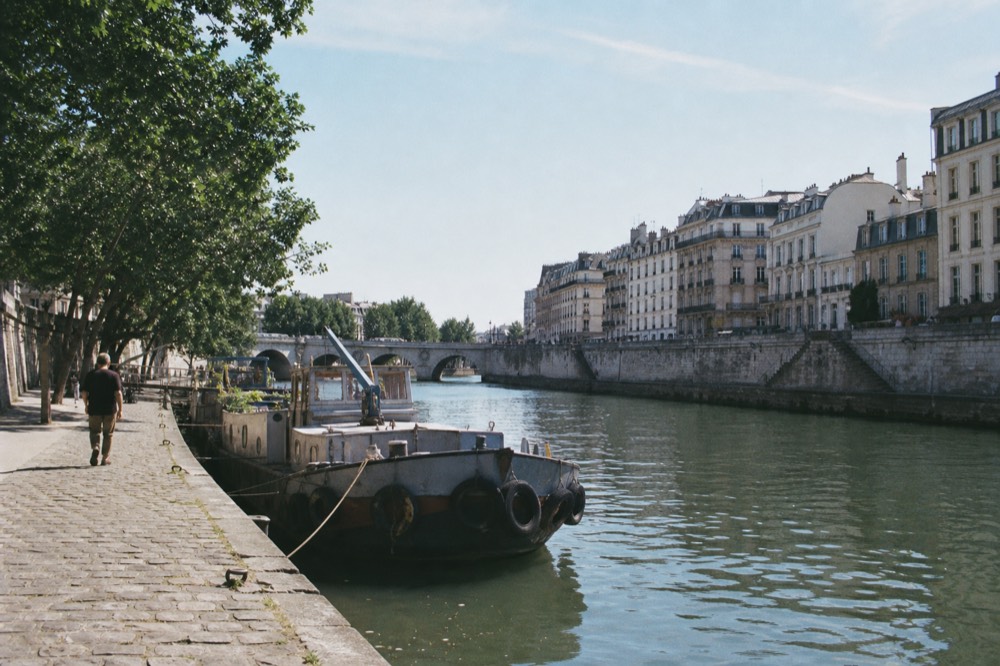
Did the fix work beyond the headline number? The independent evidence says yes. Le Figaro, working with the water-testing firm Fluidion, published results on 9 July 2026 from sampling at the Bras Marie swimming site showing good microbiological results with no particular health risk. Pre-opening testing across early June 2026 showed water quality suitable for swimming on all but two days. That is a river behaving the way a post-basin river should: clean in dry weather, with the remaining risk concentrated in the hours and days after heavy rain, which is exactly when the sites close.
If a morning of reading about underground reservoirs has earned you a long lunch, the Seine River Lunch Cruise with Optional Champagne boards at Port de Solférino near Musée d'Orsay and serves a 3-course French meal over about 1.5 hours, with a Champagne upgrade if the mood strikes. It rates 4.0/5 from 256 reviews, and the live listing has the current price.
Is the Seine clean now?
By the standards of a working urban river, yes, largely: the three supervised swimming sites reopened for a second consecutive summer in 2026, daily bacterial testing largely passes, and the historic overflow mechanism that made the river dirty has been reduced to roughly two major events a year. By the standards of a mountain lake, no, and nobody involved in the cleanup claims otherwise. The honest position is in between, and it is a much better position than the one the river held for the previous hundred years.
The 2026 season gives the clearest picture yet. The sites at Bras Marie, Bras de Grenelle and Bercy ran daily from 4 July to 30 August, free and without reservation, subject to daily testing and capacity limits. Roughly 120,000 swimmers used them across the eight weeks, about 20% up on the roughly 100,000 of 2025, per Le Monde's 29 August 2026 report. The closures that did occur were honest ones: the late-July shutdowns traced to an illegal fuel dump of about 3,000 litres of heating oil upstream, and Grenelle closed for a few days in August for European open-water competitions. These were event-driven closures, not the systemic bacteria failures of the old river.
For visitors, the practical reading is this: the water under a sightseeing boat is not the same question as the water at a swimming site. The cruise industry never stopped running through the dirty decades, because drinking, dining and photographing from a deck was never affected by the river's bacterial load. The classic 1-hour Seine cruise departing from the Eiffel Tower, from $21 per person, 4.4/5 with close to 90,000 reviews, ran before the cleanup and runs now; what changed is the river's smell, clarity and fish life alongside it. If you want the full picture on whether the water is safe for swimming specifically, the dedicated guide on Cruise in Seine River covers the testing thresholds and closure rules in detail, and our is the Seine safe to swim in guide goes deeper than this article does.
One caveat worth stating plainly: the cleanup is infrastructure, and infrastructure needs maintenance and completion. Additional phases of related works are noted for 2028-2029, and the daily testing regime exists precisely because the river is managed, not magically healed. A dry-spell Seine and a post-storm Seine are two different rivers, and the flag system at the swimming sites is the honest boundary between them.
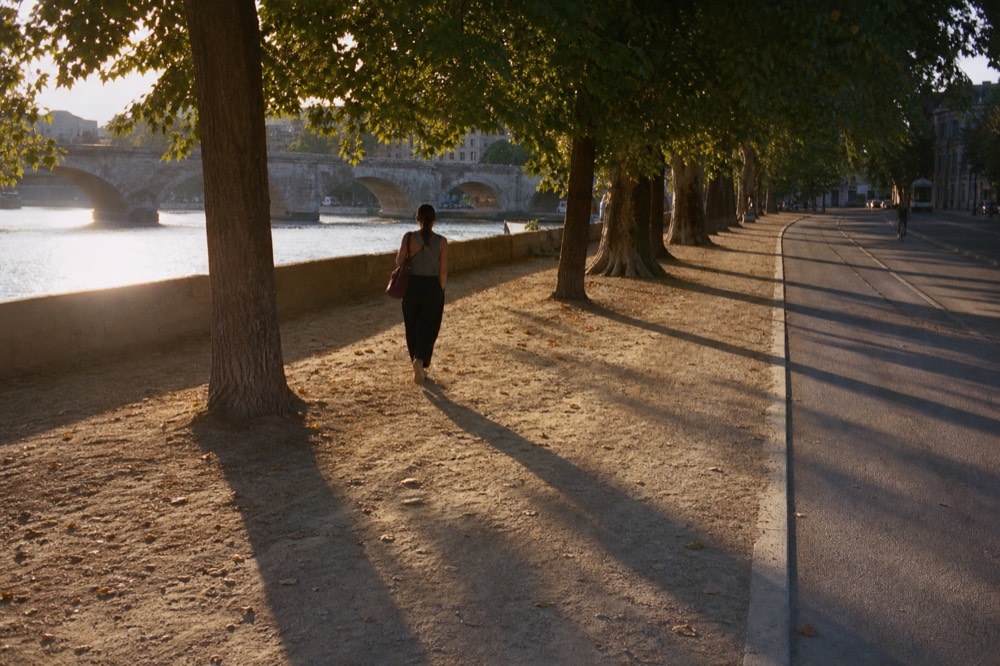
Does the river's history affect cruises today?
No, not in any way a passenger would notice. Seine cruises operate on the surface, where the river's historical contamination was never a contact risk, and the water-level rules that can genuinely disrupt sailings concern floods, not pollution, so the river's past has no practical effect on today's cruise experience. The dirtiness of the Seine was always a public-health question about immersion and ingestion, not about being aboard a boat on top of it. Dinner cruises, lunch cruises and sightseeing loops ran continuously through the dirtiest decades of the river's modern history, and they run today on a river that is measurably cleaner than the one those earlier passengers saw.
What actually interrupts cruises is hydrology. Navigation on the Seine through Paris is halted outright once the river reaches 4.30 metres at the Austerlitz gauge, per the City of Paris, and below that threshold operators have documented procedures: closing upper decks to avoid bridge strikes, shortening routes, and monitoring the official flood service hour by hour. A full suspension last happened in April 2024 when the river exceeded 4.30 metres. As of early September 2026 the Austerlitz gauge sat around 0.95 metres, comfortably normal. If you are weighing when to book, the best time for a Seine cruise guide covers timing and crowds; the water-quality story is, for cruise passengers, background colour rather than a decision factor.
There is even a mild argument that the cleanup improved the cruise experience indirectly. The basin and the treatment upgrades reduced the overflow pulses that used to make the river smell worst in late summer, and the fish stocks that recovered as treatment improved are a visible feature from the deck. The river you glide past today is cleaner than the one any generation of Paris tourists has seen in living memory, and it is getting cleaner on a schedule the city has actually published and largely met. If you are weighing whether the whole outing pays off, see our verdict on whether doing a Seine river cruise pays off.
Whether you pair it with lunch, as the 3-course option above does, or with an evening sailing, the practical advice is unchanged from any other Paris activity: book ahead for seated meal cruises, which average roughly 45-47 days of advance booking per listing data, and be more relaxed about walk-up sightseeing tickets, where operators recommend arriving 15-30 minutes early.
The short answers: combined sewer overflow caused the dirtiness, the Austerlitz basin largely fixed it, swimming is now possible at three supervised sites, the 2024 athlete illness reports were never tied to the water, and cruises were never affected in the first place. The details behind each of those points follow.
Common questions about the Seine's water quality
What made the Seine so dirty?
Paris's combined sewer system. One pipe network carries both sewage and rainwater, and in heavy rain the treatment plants cannot take the volume, so the surplus, a mix of stormwater and untreated wastewater, overflowed directly into the river. Repeated for well over a century, this kept the Seine too contaminated for swimming.
Is the Seine clean now?
Largely, by urban-river standards. The Austerlitz storage basin cut major sewer-overflow events from about fifteen a year to about two, and three supervised swimming sites operated daily from 4 July to 30 August 2026, drawing roughly 120,000 swimmers. Closures still happen after heavy rain and specific pollution events, so the daily testing and flag system matters.
Can you swim in the Seine?
Yes, at three supervised sites, Bras Marie, Bras de Grenelle and Bercy, which ran daily through summer 2026 with free access, daily water testing and capacity limits. Swimming outside these supervised sites remains banned. See the dedicated safe-to-swim guide for testing thresholds and closure rules.
Did the 2024 Olympics athletes get sick from the Seine?
Several athletes reported gastrointestinal illness after 2024 events, but a 2026 retrospective found no clear cause was ever established and no confirmed link to Seine water quality specifically. Water tests during the events met the applicable limits.
Does the dirty history affect Seine cruises?
No. Cruises operate on the surface, where the historical contamination posed no contact risk, and boats ran throughout the dirtiest decades. What can genuinely disrupt sailings is high water: navigation halts at 4.30 metres on the Austerlitz gauge, as it briefly did in April 2024.